How to Sign In to Your MSN Email Account and Fix Common Login Problems
If you are looking for the official portal, you can access your MSN email directly at login.live.com or outlook.com . The search query "msn sign in in" is a frequent typo for the unified Microsoft login page.
Accessing your legacy @msn.com email address in 2026 is a straightforward process, but the transition of MSN services into the broader Microsoft 365 ecosystem has left many users confused. Whether you are dealing with a "session expired" loop, a forgotten password, or simply wondering why your MSN inbox now says "Outlook," this guide provides the technical clarity you need. We will explore the unified identity system that Microsoft uses to manage MSN, Hotmail, and Live accounts, ensuring you can stay connected across all your devices.
Where You Can Find the Official MSN Sign In Page Right Now
In recent years, Microsoft has consolidated its various webmail services into a single, robust infrastructure. There is no longer a standalone, independent website exclusively for "MSN Mail." Instead, all legacy MSN users are directed to the Microsoft Identity service. This unified approach ensures that your credentials work seamlessly across Windows, Xbox, OneDrive, and your email.
According to Microsoft account management documentation, several valid URLs will lead you to the same secure sign-in portal. These include:
- outlook.com: The primary web interface for all Microsoft-hosted email.
- login.live.com: The core authentication server for Microsoft accounts.
- msn.com: By clicking the "Sign In" button at the top right of the MSN homepage.
- hotmail.com: A legacy URL that redirects to the modern Outlook portal.
https://login.live.com
. Phishing sites often mimic the MSN login page to steal credentials. Official Microsoft portals will always use a secure (HTTPS) connection and a verified domain.
The unified login system is a significant advancement in user security, allowing for features like two-factor authentication (2FA) and passwordless entry to be applied globally across your account. If you find yourself redirected to a page that looks different from the MSN of a decade ago, rest assured that you are in the right place. The underlying technology has been modernized to handle the demands of 2026's digital landscape.
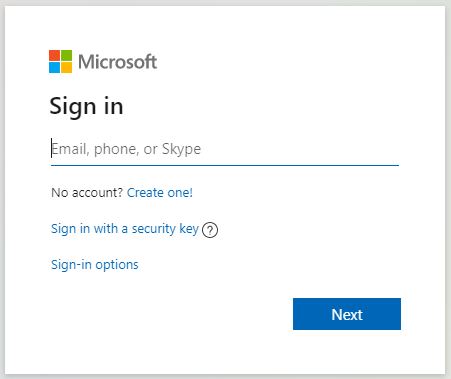
Image source: scalar.usc.edu
Why Your MSN Login Redirects to Microsoft Outlook and What It Means
The evolution of MSN is a fascinating journey through the history of the internet. For legacy users, the transition from a dedicated MSN portal to the Outlook ecosystem can feel jarring. However, this change was part of a strategic effort by Microsoft to provide a top-tier communication experience that rivals any other service on the market.
When you sign in today, you are accessing the Outlook Web App . This does not mean your MSN address has changed; it simply means you are using a more powerful interface to manage it. Your @msn.com handle remains your primary identity for sending and receiving mail, but the "engine" under the hood is Outlook. This transition allows Microsoft to roll out security patches and new features, such as Copilot AI, to all users simultaneously regardless of their email suffix.
How to Sign In to Your MSN Account Step by Step
Signing in is designed to be intuitive, but following the correct sequence can prevent common errors. Here is the standard workflow for accessing your account on a web browser:
-
Navigate to the Portal:
Open your browser and go to
outlook.com. -
Enter Your Email:
Type your full email address (e.g.,
example@msn.com) and click "Next." - Enter Your Password: Provide your current password. If you have forgotten it, use the "Forgot password?" link to initiate recovery.
- Verify Your Identity: If you have two-factor authentication enabled, you will be prompted to enter a code from your mobile app or SMS.
- Stay Signed In: On personal devices, you can check the "Keep me signed in" box to avoid repeating these steps. On public computers, always leave this box unchecked.
Using the Passwordless Method
As of 2026, Microsoft has moved toward a "passwordless" future. This is widely considered one of the most secure ways to manage your account. By installing the Microsoft Authenticator app on your smartphone, you can sign in by simply approving a notification on your phone rather than typing a password. This method is exceptionally strong against phishing attacks, as a hacker would need physical access to your unlocked phone to gain entry to your MSN account.
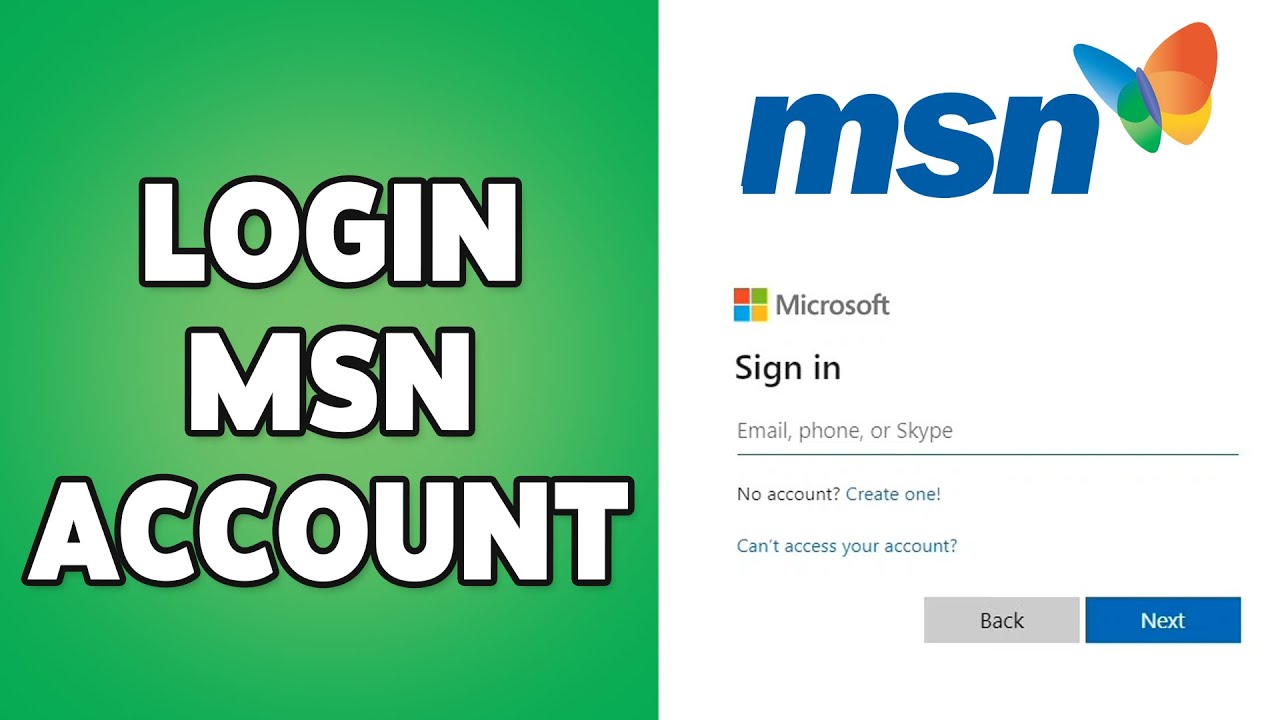
Image source: YouTube
How to Fix the MSN Login Loop and Session Expired Errors
One of the most frustrating issues reported by users is the "login loop." This occurs when you enter your credentials, the page appears to load, but then it immediately redirects you back to the sign-in screen or displays a "Session Expired" message. This is often not a problem with your password, but rather a technical conflict within your browser.
Based on community wisdom from tech forums, this "millisecond login" bug is frequently caused by corrupted cookies or conflicts between multiple Microsoft profiles (such as a work account and a personal MSN account). To resolve this, follow these troubleshooting steps:
- Try InPrivate/Incognito Mode: Open a private window in your browser (Ctrl+Shift+N in Chrome/Edge). If you can sign in here, the problem is likely a browser extension or a corrupted cookie in your main session.
-
Clear Specific Cookies:
Instead of clearing your entire browser history, try clearing cookies specifically for
live.com,microsoft.com, andmsn.com. This preserves your other logins while resetting the MSN connection. - Sign Out of All Sessions: Go to your Security Dashboard and select "Sign out everywhere." This forces a hard reset of your account status across all servers, which often breaks the loop.
If these steps fail, ensure that your system clock is set to the correct time and date. Microsoft's security protocols rely on time-stamped tokens; if your computer's clock is even a few minutes off, the server may reject your login as "expired" for security reasons. This is a common pitfall that official documentation often overlooks.
What to Do if Your Old MSN Account Says It Does Not Exist
If you are trying to access an account you haven't used in years, you might encounter the dreaded "This Microsoft account does not exist" error. This usually happens for one of two reasons: the account was deleted due to inactivity, or it was compromised and the primary alias was changed.
Microsoft enforces a strict 2-year activity policy . According to their service agreement, if you do not sign in to your account at least once every two years, the mailbox is purged, and the account may be permanently closed. Once an account is closed due to inactivity, the data is unrecoverable. However, there is a nuance: if you have an active subscription (like Microsoft 365) linked to the account, it will remain active regardless of login frequency.
Actionable Recovery Workflow
If you believe your account still exists but you cannot access it, follow this workflow:
- Check the Alias: Ensure you aren't using a typo. Check old emails or contacts to confirm the exact spelling of your @msn.com address.
- Use the Recovery Form: If you don't have access to your recovery phone or email, you can fill out the Account Recovery Form . You will need to provide details about recent subjects of emails you sent or folders you created.
- Check Availability: Try to create a new account using that same name. If the system says the name is "already taken," the account still exists but is locked. If it allows you to proceed, the old account was purged and the handle is now available for re-registration (though @msn.com suffixes are rarely available for new sign-ups now).
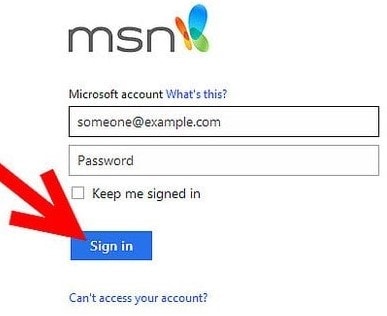
Image source: Wondershare Recoverit
How to Set Up Your Browser for a Secure Microsoft Sign In
Modern web security requires specific browser configurations to function correctly. If your settings are too restrictive, the MSN sign-in button may appear unresponsive or fail to load the password field. According to technical requirements , JavaScript and Cookies are mandatory.
Chrome & Edge Settings
- JavaScript: Go to Settings > Privacy and Security > Site Settings > JavaScript. Ensure it is set to "Allowed."
-
Cookies:
Ensure "Block third-party cookies" is turned off for
[*.]live.com. - Ad-Blockers: Disable ad-blockers for the login page, as they sometimes misidentify the login popup as a malicious script.
Safari (Mac/iOS) Settings
- Prevent Cross-Site Tracking: In Safari Preferences > Privacy, uncheck "Prevent cross-site tracking" temporarily if the login fails.
- Block All Cookies: Ensure this is unchecked. Microsoft requires cookies to maintain your session state.
- Clear Cache: Use "Develop > Empty Caches" if the page hangs on a white screen.
Furthermore, the security of your operating system plays a vital role. As of late 2025, Windows 10 reached its end of life. In 2026, using an unsupported operating system to sign in to your MSN account poses a high security risk. Hackers often target unpatched vulnerabilities in older browsers to steal login tokens. Upgrading to a modern, supported OS like Windows 11 is highly recommended to ensure your credentials remain protected.
How to Manage Your Storage to Avoid Losing MSN Emails
A common reason users stop receiving emails is that they have hit their storage limit. In the modern Microsoft ecosystem, your storage is split between your mailbox and your OneDrive cloud storage. This "Storage Split" can be confusing: even if your inbox is empty, a full OneDrive can prevent you from receiving new MSN emails.
| Feature | Free Plan | Microsoft 365 Basic | Microsoft 365 Personal |
|---|---|---|---|
| Mailbox Storage | 15 GB | 100 GB | 50 GB* |
| Cloud Storage (OneDrive) | 5 GB | 100 GB | 1 TB |
| Ad-Free Experience | No | Yes | Yes |
| Annual Cost (Approx) | $0 | $19.99 | $99.99 |
*Note: Personal plans often integrate mailbox storage into the larger 1TB cloud pool or offer a 50GB dedicated limit depending on the region.
If you are nearing your limit, you will see a warning in the Outlook interface. To free up space, focus on deleting large attachments rather than just text-based emails. You can sort your MSN inbox by "Size" to quickly identify the largest files taking up your quota. Remember, once you hit 100% capacity, any incoming emails are bounced back to the sender, and you will not be able to recover them even after you clear space.
How to Use Copilot and AI Features With Your Legacy MSN Address
One of the most significant advancements for legacy MSN users is the integration of Microsoft Copilot. Even if your account was created twenty years ago, you can now use AI to manage your communications. This feature ranks among the top productivity tools available to email users today.
With an @msn.com address, you can use Copilot to:
- Summarize Threads: Ask the AI to provide a bulleted summary of a long conversation so you don't have to read every reply.
- Draft Replies: Provide a few keywords, and Copilot can generate a professional response in your preferred tone.
- Search Smarter: Instead of keyword searching, you can ask, "Find the email from last March where we discussed the contract details," and the AI will locate it.
These features are available in the web version of Outlook and the mobile app. While some advanced AI features require a Microsoft 365 subscription, the basic summarization and drafting tools are often available to free users, providing a notably innovative way to interact with an old inbox.
Frequently Asked Questions
The Bottom Line for MSN Users
Managing a legacy MSN account in 2026 requires understanding the unified Microsoft ecosystem. By following these key steps, you can ensure your access remains secure and uninterrupted:
-
Use the correct portal:
Always sign in via
outlook.comorlogin.live.com. - Enable security features: Use the Microsoft Authenticator app for a passwordless, highly secure login experience.
- Maintain activity: Sign in at least once a year to prevent your account from being flagged for deletion under the 2-year inactivity policy.
- Monitor storage: Keep an eye on both your Mailbox (15GB) and OneDrive (5GB) limits to avoid bounced emails.
- Update your browser: Ensure JavaScript and Cookies are enabled and that you are using a modern operating system.
- Clear cache: If you hit a login loop, use an InPrivate window or clear cookies specifically for Microsoft domains.
To ensure your account stays active and secure, take a moment today to update your recovery information in the Microsoft account security dashboard.
How to Fix the Outlokk Typo and Log In to Your Microsoft Outlook Account Safely
Stop making the outlokk typo and log in to Microsoft Outlook safely. Fix 0x80004005 errors, manage storage, and master the new Outlook app today.


How to Access Your AOL Mail Inbox and Fix Common Login Problems
Access your AOL Mail inbox, fix login errors, and set up IMAP settings. Learn how to use Passkeys and recover old accounts without a phone number.

How to Fix the 'Sorry We Couldn't Find' Error in Office and Web Apps
Resolve 'Sorry we couldn't find' errors in Word, Excel, Power BI, and Vimeo. Fix broken file paths, cache issues, and permission bugs today.